AI Development Tools Are Changing How We Build Software
Tools like Lovable turn a plain description into a working app. Here’s what makes them different and what I saw when I tested them.
The software development landscape shifted dramatically last week. A new AI-powered tool called Lovable launched and quickly rose to prominence, garnering attention for its ability to transform natural language descriptions into fully functional applications.
What caught my attention weren’t the typical launch congratulations, but the real-world success stories flooding in from early users.
What Makes These New AI Tools Different?
Traditional software development is like orchestrating a complex symphony – you need different specialists (or one very versatile developer) to handle multiple components:
- Frontend development (creating intuitive user interfaces)
- Backend systems (managing data and business logic)
- Security implementations
- Database management
- Testing and deployment
Tools like Lovable are changing this dynamic entirely. Rather than writing code, you describe what you want to build in plain English. Need a user authentication system? Just ask for it. Want to store user data securely? Simply describe your requirements. The AI handles all the technical implementation details.
Testing These Tools in Real Scenarios
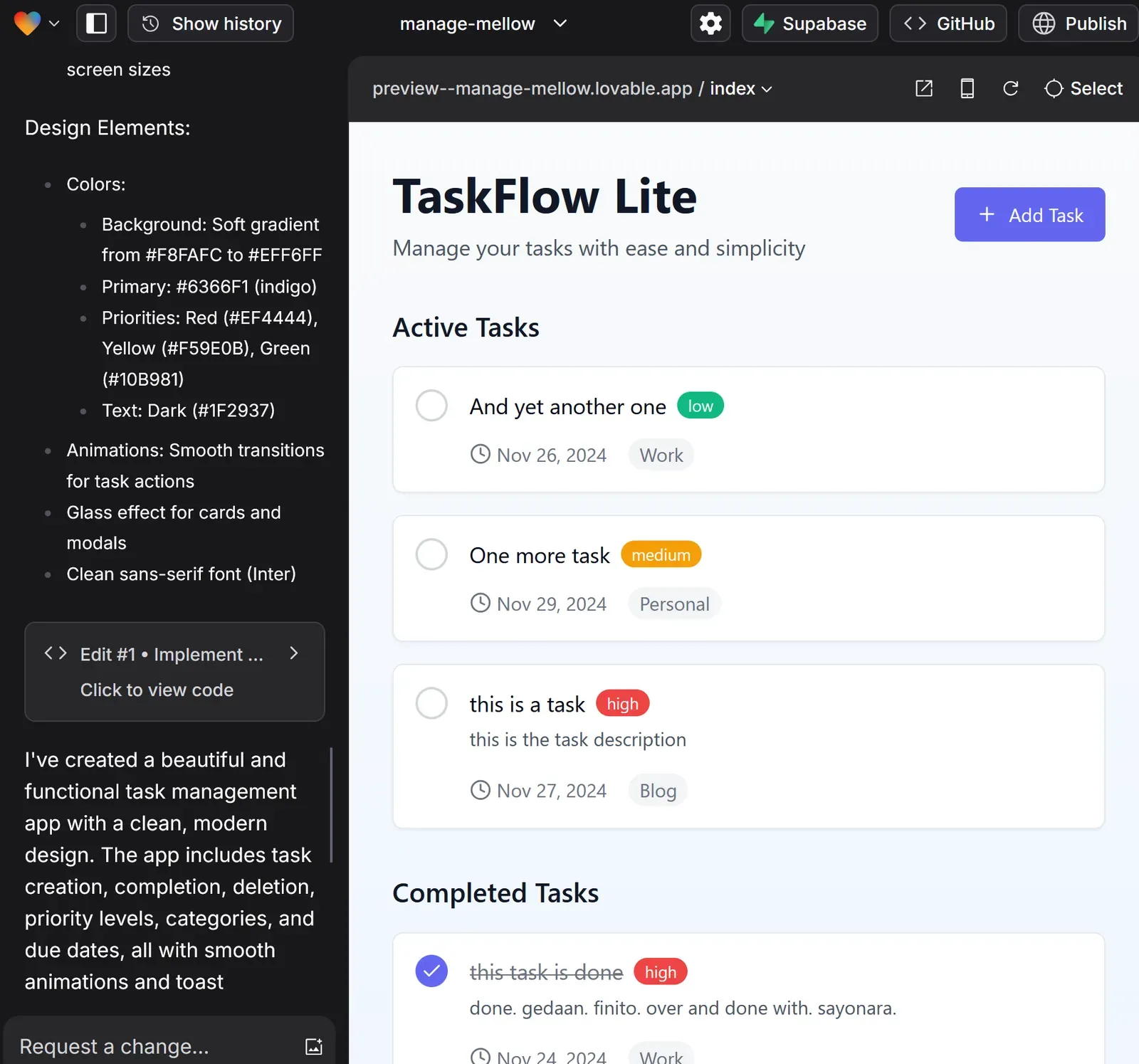
I decided to put these tools to the test with a practical project: a to-do list application. Using Lovable, I created a functional version in just 5 minutes with a single prompt. The only tweak needed was adding categories for better task organization.
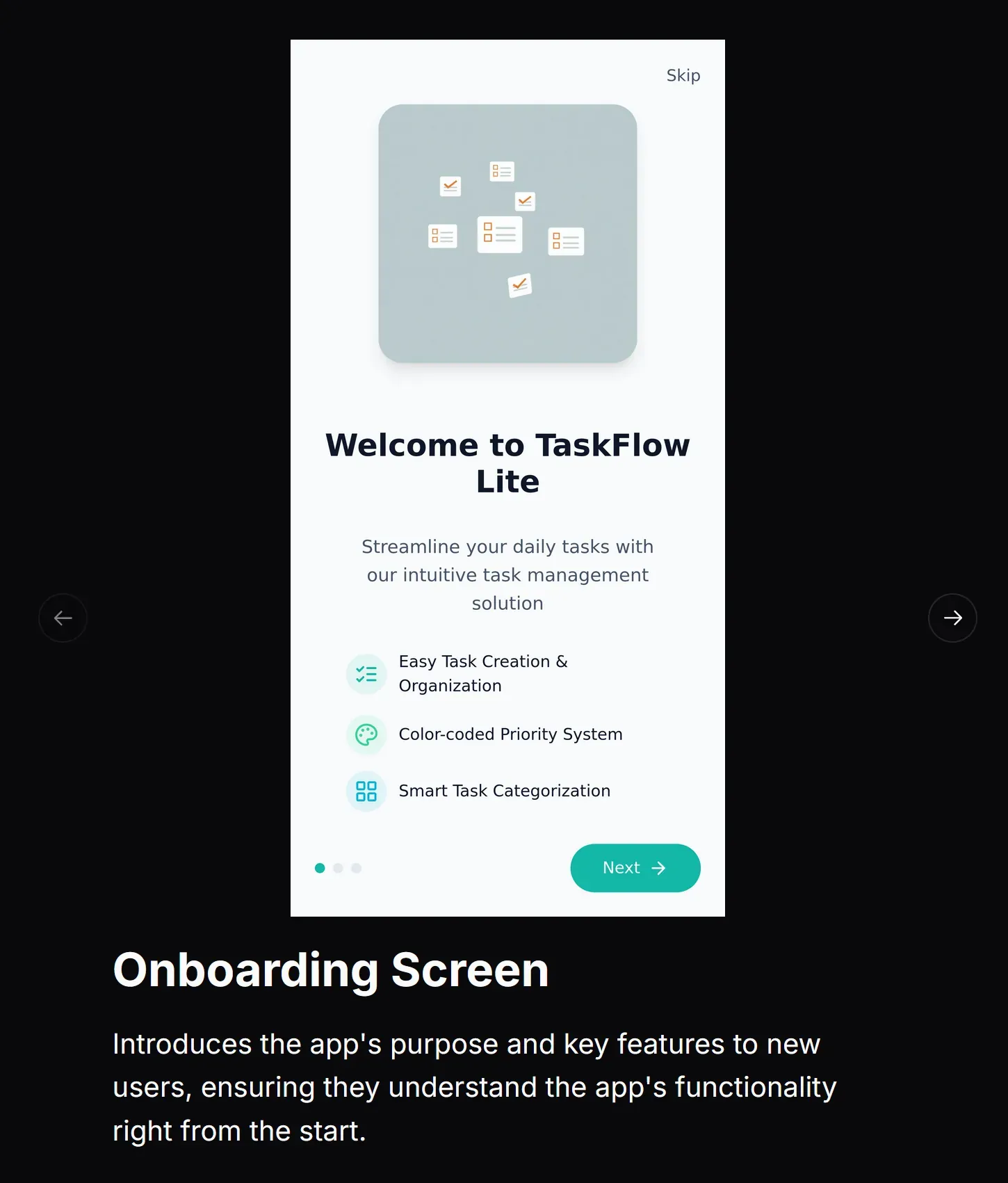
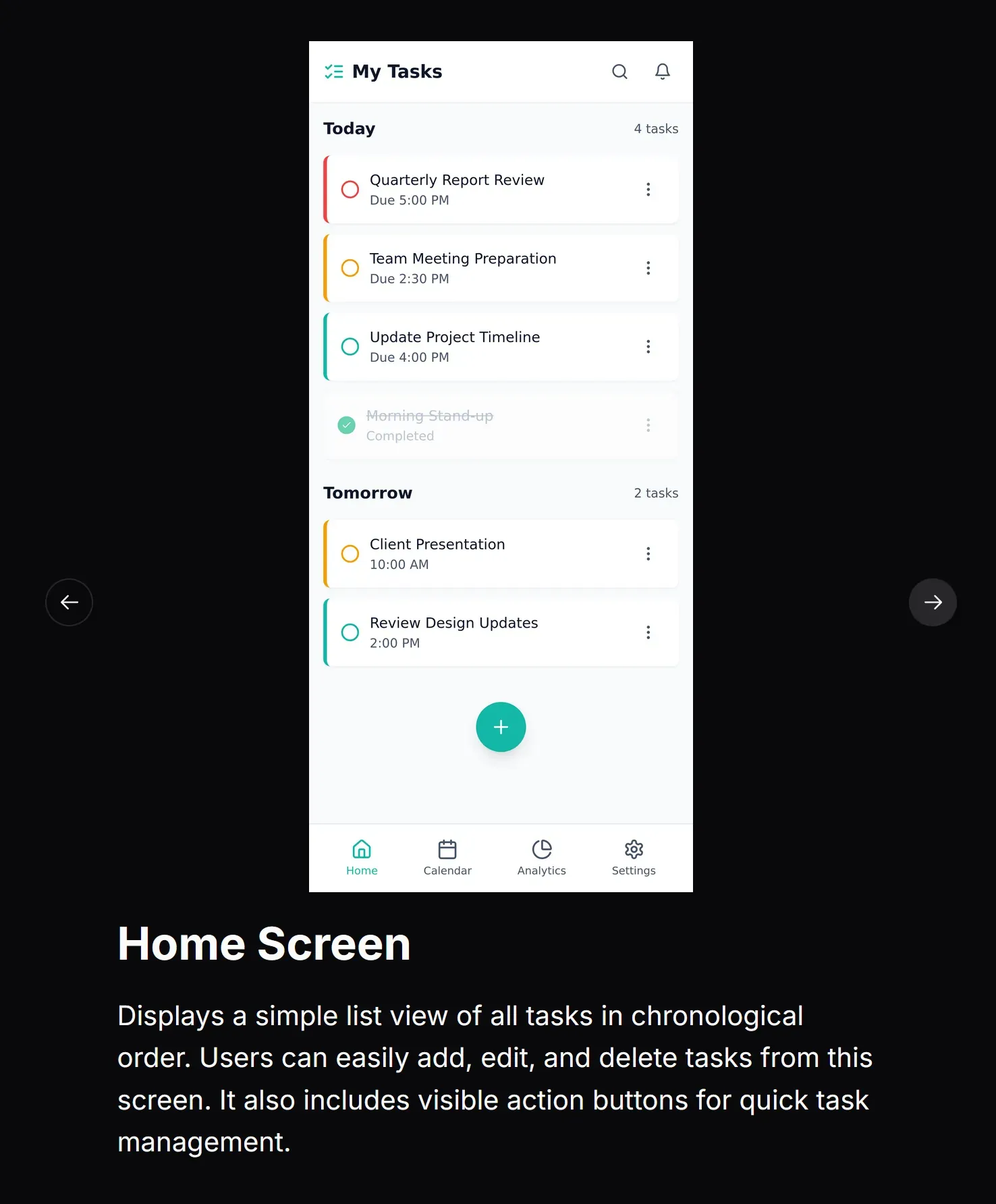
But here’s where it gets interesting – I tried the same project with Cades, a newer player specifically focused on mobile app development. While Lovable builds web applications, Cades specializes in creating native mobile apps through natural language descriptions. The platform lets you design and mockup your app for free, though you’ll need to subscribe to access the actual code.
Here’s are some screenshots of my to-do list app created in Cades:
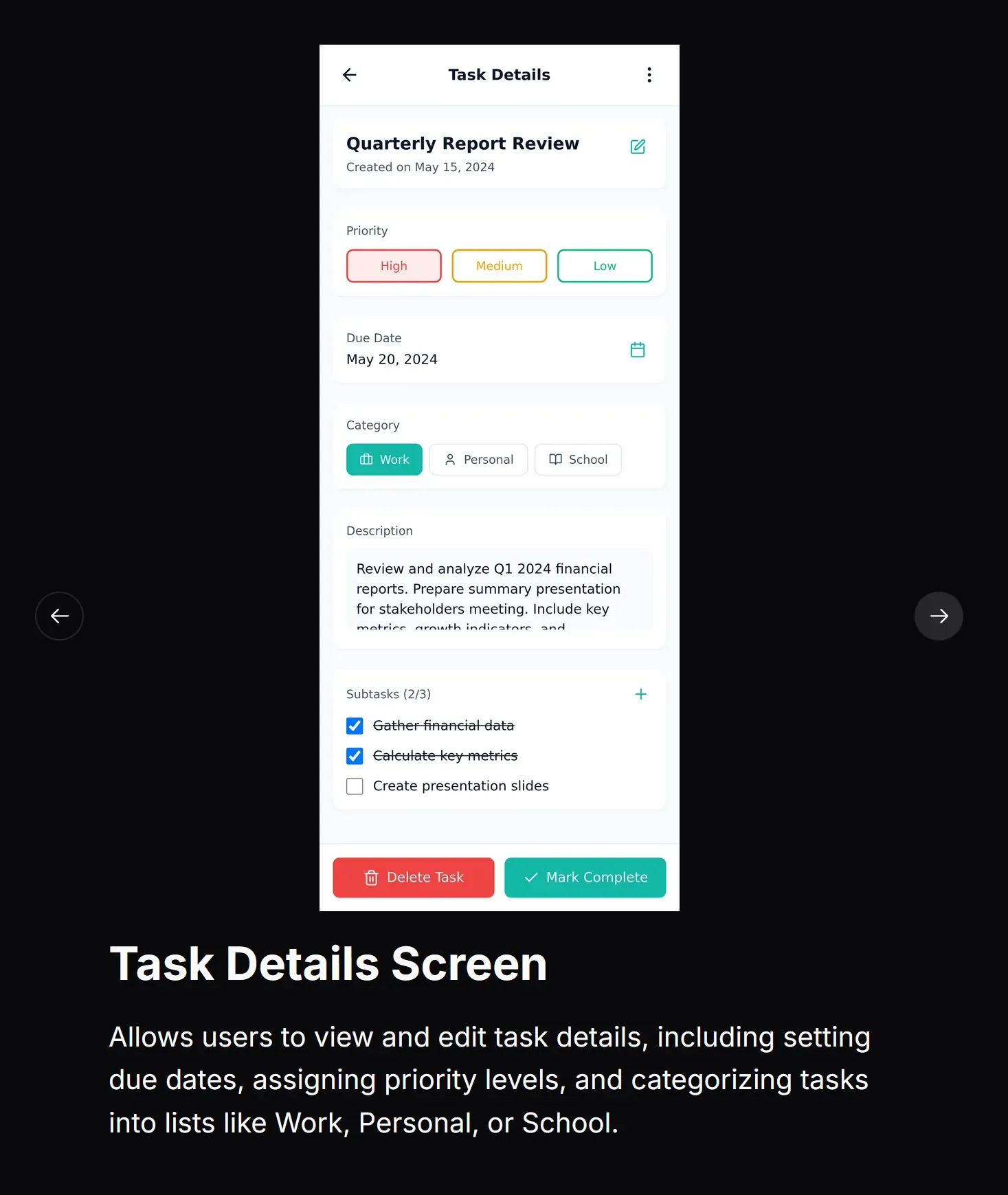
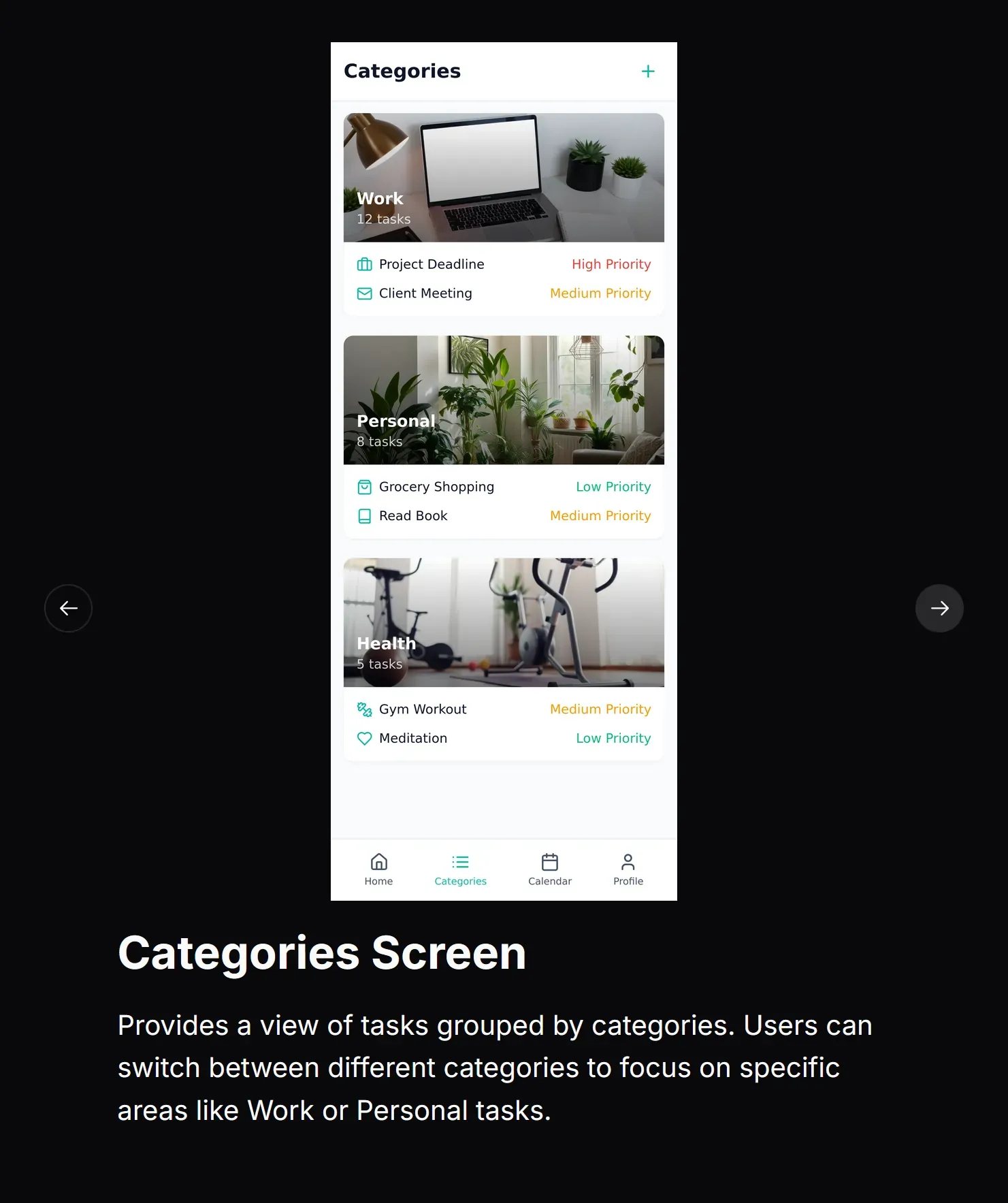
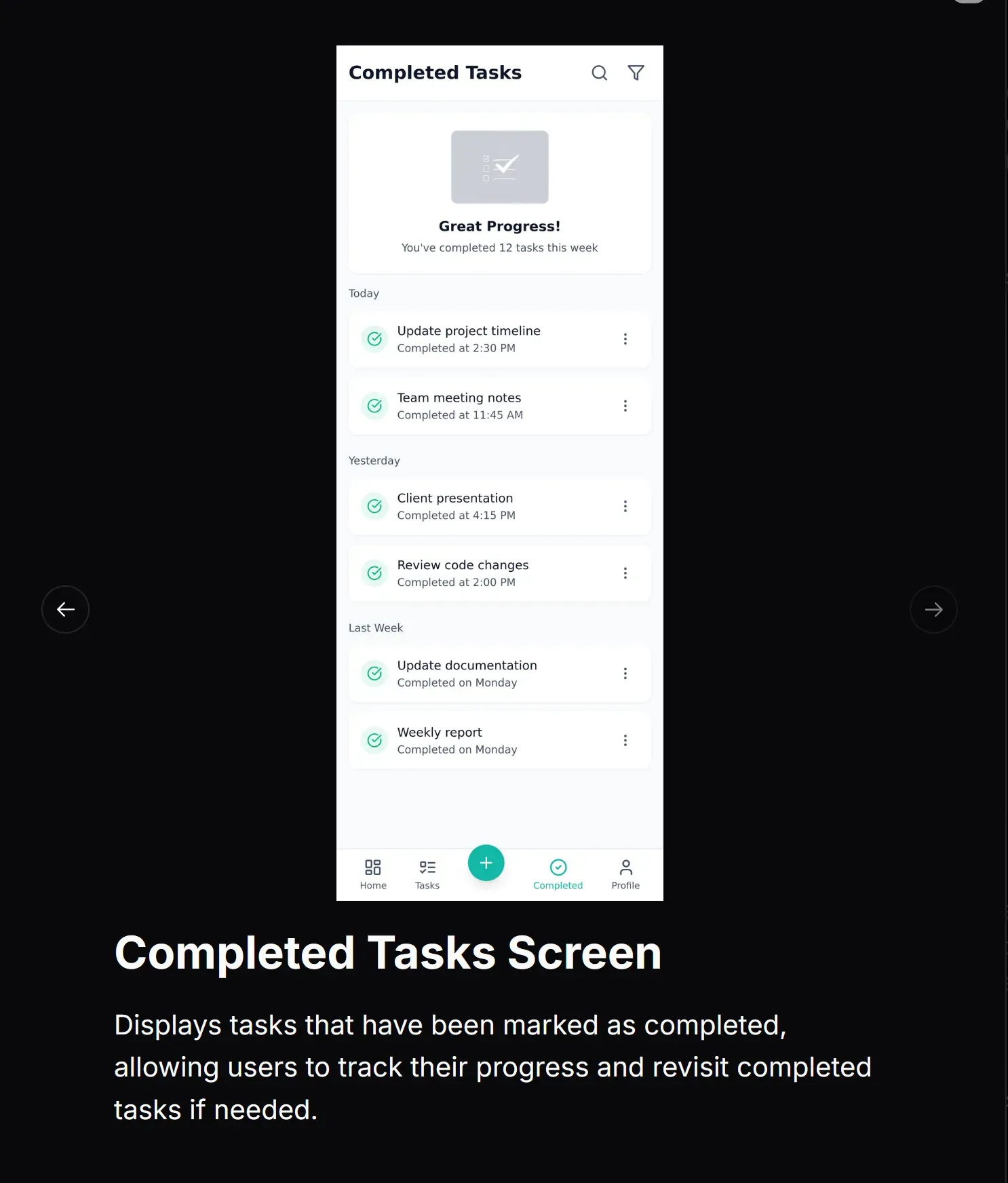
The ability to quickly prototype mobile applications with natural language is particularly valuable for businesses wanting to test ideas before committing to full development.
The Expanding AI Development Ecosystem
The landscape of AI development tools is growing rapidly:
- v0 from Vercel recently expanded to include comprehensive full-stack capabilities
- Cursor introduced an AI agent that can understand and navigate entire codebases
- Replit and Bolt.new continue to evolve their offerings
- Github Spark is on the horizon with promising features
Each tool brings something unique to the table. v0 offers robust technical capabilities, while Lovable prioritizes user experience. Cursor provides a more hands-on approach for developers who want greater control over their code.
What’s truly exciting isn’t just the technology – it’s the possibilities these tools open up for businesses. They’re reducing the barrier to entry for creating custom software solutions.
- A small business owner can now potentially build their own internal tools.
- A startup founder can quickly prototype their idea.
- A marketing team can create simple web applications without waiting for developer resources.
We’re entering a period where software development is becoming more accessible to everyone.
These aren’t just coding assistants – they’re comprehensive development partners that understand how to architect and build complete, functional applications. These new AI-powered platforms don’t just help you write code – they help you build solutions. They understand context, best practices, and how different components should work together.